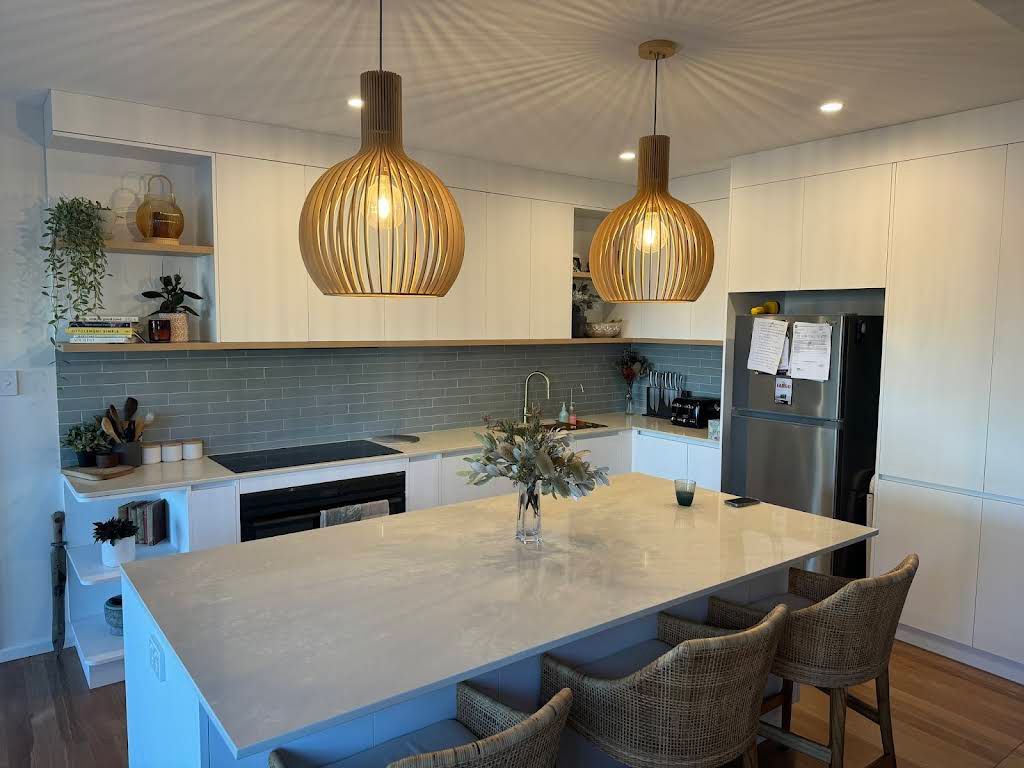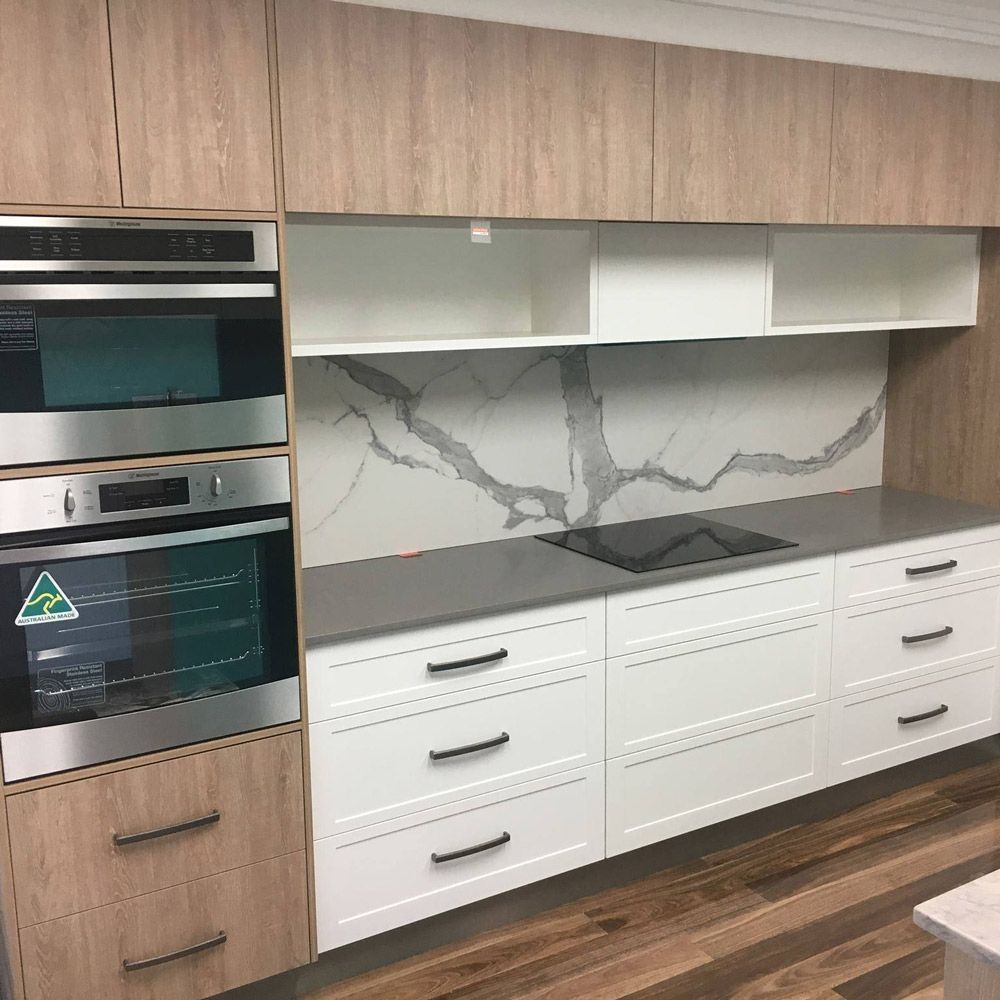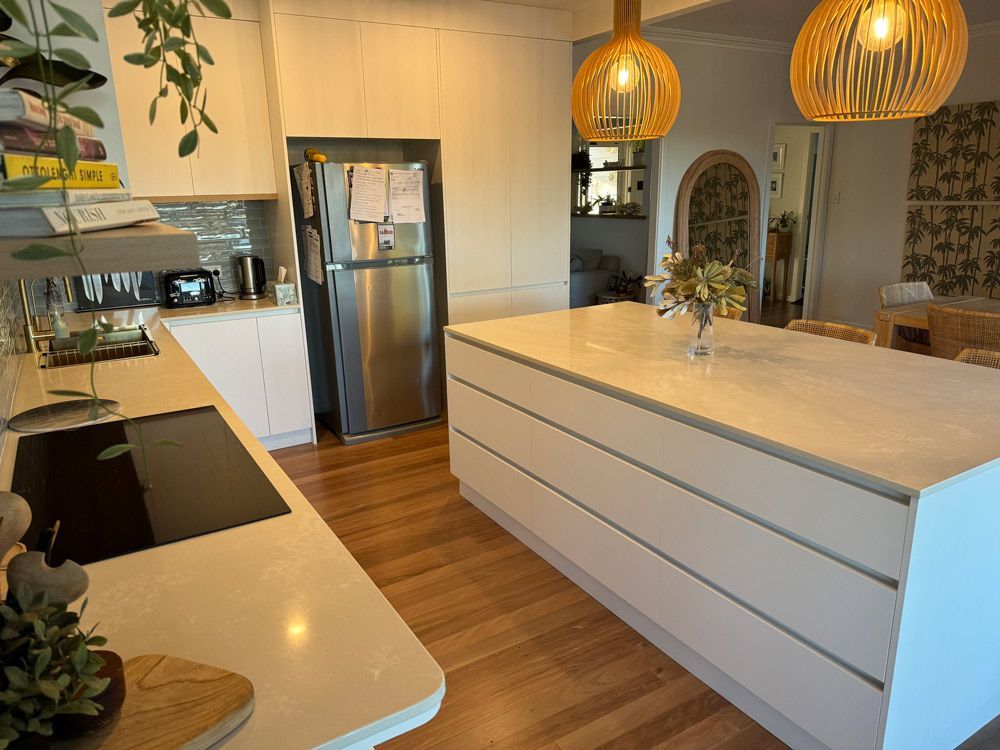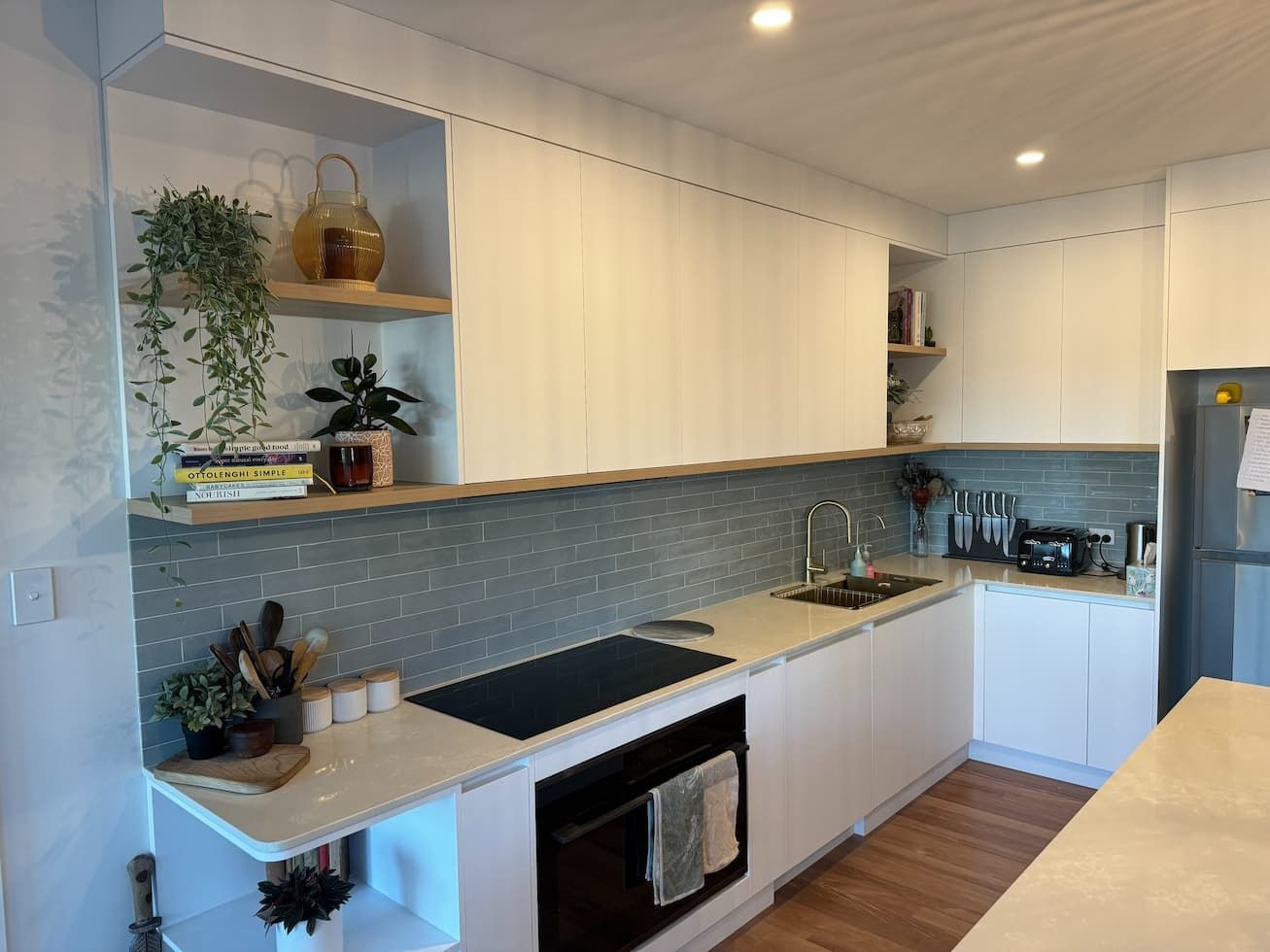
When In A Renovation Should You Bring In A Cabinet Maker?
Cabinet makers in Ballina need to be brought in well before cabinetry becomes an afterthought, often before demolition even starts. Getting that timing right is one of the biggest factors in keeping a renovation on schedule: walls are open, the electrician is booked back in, and someone has just asked for final measurements that were never taken. Bringing a cabinet maker into the timeline early protects your budget, your schedule and the finished result.
When Do Cabinet Makers In Ballina Fit Into The Renovation Timeline?
Most homeowners assume cabinetry is one of the last decisions in a renovation, something to sort out once walls are painted and floors are down. In practice, cabinet makers need to be involved much earlier, often before demolition even starts. Design work, material selection and manufacturing all take time, and a finished cabinet cannot be built around guesswork.
This involves two distinct touchpoints: an early design consultation before any trades start, and a final measurement once rough-in work is finished. Confusing the two is where most sequencing problems start.
The early consultation typically covers:
- Overall layout and design direction
- Material and finish selection
- How appliances and benchtops will factor into cabinet sizing
The later measurement stage happens once:
- Rough-in electrical and plumbing work is complete
- Flooring and wall linings are finished
- Any structural changes are locked in
Treating cabinetry as an early conversation rather than a final task keeps the rest of the renovation on track.
Why Rough-In Trades Come Before Cabinetry
Electrical and plumbing rough-ins set the fixed points that cabinetry has to work around, not the other way around. Power points, extraction ducting, water lines and drainage all need to be roughed in before cabinets are manufactured, because moving them later usually means cutting into finished joinery.
A cabinet maker will typically want confirmation of:
- Final positions for power points and switches
- Plumbing points for sinks, dishwashers and appliances
- Ventilation or extraction routing
- Any structural changes affecting wall or floor lines
Once these are locked in, cabinetry can be designed with confidence rather than assumptions.
Locking In Measurements At The Right Stage
Timing measurements well makes the difference between a smooth manufacturing process and unnecessary delays. Getting it right depends on a few key milestones being reached first.
The right point to lock in measurements usually comes down to:
- After rough-in trades have finished their work
- Once flooring type and thickness is confirmed
- Before benchtop templating is booked
- When wall linings and any structural changes are complete
Locking in measurements at this stage means manufacturing can begin without last-minute rework.
What To Expect If A Cabinet Maker Is Engaged Later In The Project
Manufacturing lead times stay much the same regardless of what stage a renovation has reached, so timing affects the range of options available rather than whether the job can go ahead. Bringing a cabinet maker in earlier simply keeps more choices open throughout the process.
Engaging a cabinet maker later in the project can mean:
- Working within a narrower range of materials or finishes, depending on lead times
- Coordinating cabinetry installation around trades already completed
- Making some design decisions more quickly than ideal
- Allowing extra time in the schedule for manufacturing to catch up
None of this rules out a good result. It simply means the earlier a cabinet maker is involved, the more flexibility there is throughout the project.
Why Appliance & Benchtop Choices Affect Cabinet Sizing
Cabinet dimensions are not decided in isolation. Oven width, rangehood clearance, dishwasher specifications and benchtop thickness all feed directly into the cabinet carcass measurements, which means these choices need to be locked in before manufacturing starts, not after.
Decisions that typically need to be finalised early include:
- Appliance make and model, since dimensions vary between brands
- Benchtop material and thickness, which affects bench support requirements
- Sink and tap style, which determines cut-out size and placement
- Splashback height and material, where relevant to cabinet returns
Locking in these choices before cabinets are measured avoids rework once manufacturing is underway.
Common Sequencing Mistakes Seen On Northern Rivers Jobs
The good news is that sequencing issues are entirely avoidable once you know where they typically come from. Most trace back to cabinetry being treated as a standalone job, rather than one that depends on decisions made weeks earlier in the renovation.
For example, when appliance choices are finalised after cabinets have already been measured, custom cut-outs sometimes need to be adjusted on site, something that's easy to avoid with earlier sign-off.
Keeping an eye on a few key points helps renovations run smoothly:
- Booking a cabinet maker ahead of other trades starting
- Finalising appliance choices before cabinetry is measured
- Keeping the cabinet maker informed of any layout changes mid-renovation
- Allowing custom joinery its own realistic timeframe, separate from flat-pack timing
A quick conversation with your cabinet maker before each stage keeps the whole schedule on track.
Mapping A Practical Renovation Timeline With Cabinet Maker Touchpoints
A clear timeline makes it easier to see exactly where cabinetry fits, rather than treating it as a vague future step. Each touchpoint below reflects a stage where a cabinet maker's input genuinely changes the outcome.
A practical sequence looks like this:
- Initial consultation and design discussion prior to the trade schedule being locked in
- Confirmation of layout ahead of rough-in work
- Sign-off on services positions once rough-ins are complete
- Final measurements after flooring and wall linings are finished
- Manufacturing period while other finishing trades continue
- Installation once the site is ready to receive cabinetry
Mapping these touchpoints against the wider trade schedule prevents the common back-and-forth that causes delays.
Why Early Consultation Prevents Costly Delays
The single biggest factor separating a smooth renovation from a stressful one is when the cabinet maker was first consulted. Early conversations allow design, materials and manufacturing timeframes to align with the rest of the build, rather than being squeezed in around it.
Early consultation typically means:
- Realistic manufacturing timeframes built into the overall schedule
- Fewer clashes between cabinetry and other finished trades
- More flexibility with materials and design options
- A clearer overall renovation budget from the outset
Involving a cabinet maker before the first trade arrives is the single most effective way to keep a renovation on schedule.
Get Your Cabinet Maker Involved From Day One
We know how quickly a renovation timeline can unravel when cabinetry is left as an afterthought. Sitting down with cabinet makers in Ballina early, before other trades are locked in, means your kitchen renovation in Ballina is designed around a realistic schedule from the outset, not squeezed in around one.
At
Alstonville Kitchens, we work through layout, services and material decisions with you at the planning stage, so manufacturing and installation slot in smoothly with the rest of your build. The earlier cabinetry is part of the plan, the fewer surprises there are once the renovation is underway. If you are planning a renovation or already partway through one,
reach out before your next trade is booked.
Frequently Asked Questions